
+ 200 Free Spins
Plus 1 Bonus Crab, no code needed

Responsible Gaming
Gokong Casino supports a balanced approach to online gambling. Gambling should be an occasional form of entertainment, not a way to make money, manage financial problems or escape personal difficulties. Responsible gaming means understanding the risks, setting limits before you play and being prepared to stop when gambling is no longer enjoyable.
Worth a Spin

Hip Hop Pigeon
kagaming

Tiki Madness 100
amatic
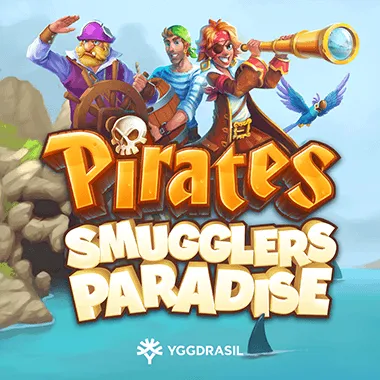
Pirates: Smugglers Paradise
yggdrasil

Wild Fortune
amusnet

20 Golden Coins
amusnet

Zeus's Lightning Blaze
spnmnl
Our responsible gaming approach
Gambling involves risk, and losses can happen. No betting strategy can guarantee a win or recover money that has already been lost. Games and wagering outcomes are determined by their applicable rules and chance-based processes, so previous results do not predict future results. You should only gamble with money you can afford to lose after your essential expenses and financial commitments have been met.
Article contents
Responsible gaming is shared between the player and the gambling provider. Gokong Casino aims to provide information and account tools that can help players monitor their activity and make informed decisions. The tools available to you may depend on the account features offered, applicable requirements and your location. Using a tool does not remove the risks of gambling, so it is important to consider your behaviour and circumstances as well as any limits you set.
You must be legally permitted to gamble online in the place where you are located. Gambling is not suitable for children or young people. Do not allow another person to use your account, and take reasonable steps to keep your login details private. If you share a device, make sure that other people, particularly children, cannot access your account or gambling services.
- Treat gambling as entertainment, not as an income source or investment.
- Set a spending limit before you begin and do not increase it to chase losses.
- Keep gambling separate from money needed for rent, bills, food, savings or other essentials.
- Avoid gambling when you are upset, tired, under the influence of alcohol or drugs, or trying to solve a personal problem.
- Take regular breaks and make time for other activities, relationships and responsibilities.
- Never borrow money, sell possessions or use credit to continue gambling.
- Do not feel pressured to continue because you have already spent money or time.
- Ask for support early if gambling is becoming difficult to control.
Responsible gaming information is not financial, medical or legal advice. If gambling is affecting your finances, wellbeing or relationships, consider obtaining independent advice from a suitably qualified professional or an Australian support service.
Recognising when gambling may be a problem
Problem gambling can develop gradually. You may not notice a change immediately, and a person can experience gambling harm even if they do not gamble every day. The amount of money spent is not the only concern. The effect gambling has on your thoughts, mood, time, finances and relationships is also important.
Consider taking a break and seeking support if any of the following statements sound familiar. One sign does not automatically mean that you have a gambling problem, but several signs may indicate that your gambling deserves closer attention.
- You spend more money or time gambling than you planned.
- You increase your bets because smaller bets no longer feel satisfying.
- You try to win back losses by gambling more often or with larger amounts.
- You think about gambling frequently, including when you are working, studying or spending time with others.
- You hide or minimise how much you gamble, or feel uncomfortable discussing it.
- You borrow money, use credit or miss payments because of gambling.
- You cancel plans, neglect responsibilities or lose sleep because of gambling.
- You feel anxious, irritable, low or restless when you try to stop.
- You attempt to cut down but return to gambling sooner or more heavily than intended.
- You gamble to cope with stress, loneliness, boredom, grief or other difficult feelings.
- Gambling causes arguments, secrecy or tension with family, friends or colleagues.
- You feel that gambling is the only way to improve your financial position.
If you recognise these signs, stopping for a period can help you assess the situation without the pressure of an active gambling session. You can also tell someone you trust what is happening. A friend or family member may help you stay accountable, review your spending and support you while you access professional assistance.
If you feel distressed, unsafe or at risk of harming yourself, seek urgent help through appropriate emergency or crisis services in your location. Gambling should never be managed alone when it is connected with serious financial, emotional or personal harm.
Limits, breaks and account controls
Planning your gambling before you play can make it easier to stay in control. Depending on the account features available, you may be able to use controls such as deposit limits, wagering limits, loss limits, session reminders, reality checks, cooling-off periods or account restrictions. Read the relevant information carefully before confirming a control, including when it starts, what activity it applies to and whether it can be changed.
Set a personal budget
Choose an amount that fits comfortably within your discretionary budget. Decide how often you will gamble and how long each session will last. A budget should be based on money remaining after ordinary living costs, debts, savings and other commitments. Once the budget or time has been reached, stop. Do not treat a limit as a target that must be used.
Use a cooling-off period
A cooling-off period can provide space away from gambling for a set time. It may be useful if you feel distracted, frustrated or tempted to chase losses. During a break, remove gambling applications or shortcuts, avoid gambling-related content and ask a trusted person to help you keep to your decision. A break should be long enough to allow you to consider your behaviour calmly rather than making a decision during a gambling session.
Consider self-exclusion
Self-exclusion is a stronger account restriction intended for people who want to stop gambling for a defined period or longer. If this option is available, review the conditions before requesting it. Self-exclusion may restrict access to an account and may not be reversible before the selected period ends. It may also be necessary to apply separately to other gambling providers or services you use. Closing an account temporarily is not always the same as self-exclusion, so ask for clarification if you are unsure which option is appropriate.
Do not open another account or use another person's account to get around a break, limit or self-exclusion. If you believe you may do this, seek support and consider stronger safeguards, such as asking a trusted person to help with access to money and gambling devices.
- Decide your maximum spend and playing time before signing in.
- Record deposits, wagers and losses so you can see your total activity clearly.
- Stop when your planned amount or time has been reached.
- Never raise a limit during a session because of a loss or a near miss.
- Use a break, account restriction or self-exclusion option if you are finding it difficult to stop.
- Review your behaviour regularly and seek help if your controls are not working.
Getting help and protecting your wellbeing
Support is available for people who are concerned about their own gambling or someone else's gambling. Australian players can consider contacting an appropriate state or territory gambling support service, a qualified counsellor, a financial counsellor or a mental health professional. Gambling Help Online and other Australian support organisations provide information and assistance, including options for people who prefer online or confidential support.
You do not need to wait until a financial crisis or relationship breakdown occurs before asking for help. A support professional can help you understand your gambling, create a plan to stop or reduce it, manage urges and consider practical steps for dealing with money problems. Financial counselling may also help you review debts, bills and repayment arrangements without relying on further gambling.
If you are supporting another person, try to discuss the issue when both of you are calm. Explain the behaviour you have noticed and how it affects you, rather than making accusations. Do not provide money to fund gambling or agree to cover up losses. You can seek independent support even if the person who gambles is not ready to do so.
Practical steps you can take today
- Take a complete break from gambling and decide how long it will last.
- Review recent account activity and calculate the overall amount spent, rather than focusing on individual wins or losses.
- Remove saved payment methods where possible and avoid keeping gambling funds readily available.
- Tell a trusted person about your plan and ask them to check in with you.
- Block gambling promotions and avoid websites, social media or messages that encourage you to play.
- Replace gambling time with an activity that supports your health, relationships or personal goals.
- Arrange professional, financial or emotional support if gambling has caused harm.
- Contact Gokong Casino through the available account or support channel if you need information about responsible gaming controls.
Gokong Casino may take steps to support safer gambling where concerns are identified, subject to applicable requirements and account procedures. We may ask questions about your activity or circumstances, provide information about available controls, or restrict an account where appropriate. Responsible gaming controls are designed to reduce risk, but they cannot guarantee that gambling will be harmless. The safest choice for a person experiencing gambling harm may be to stop gambling and obtain independent support.
By choosing to gamble, you remain responsible for making informed decisions, following applicable laws and account terms, and using available safeguards. If gambling is no longer enjoyable or is causing harm, stop and seek help.